Recently, excavation work on the 27.7-kilometer irrigation tunnel in Sri Lanka — the longest of its kind in South Asia undertaken by CSCEC — was completed.
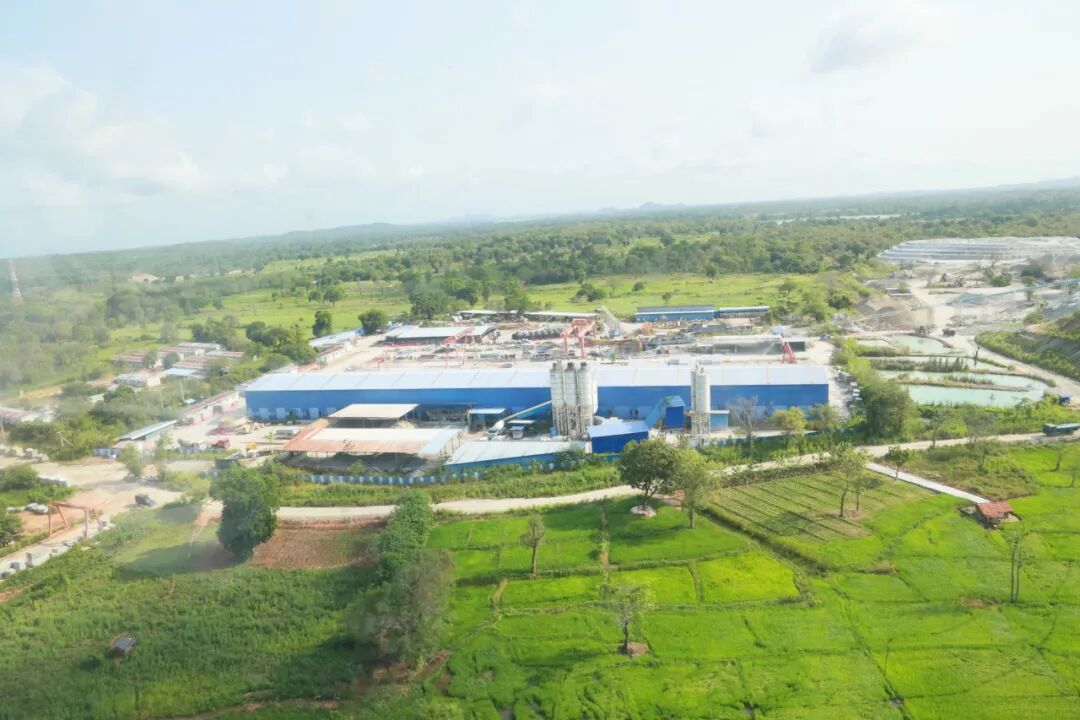
The tunnel is also the longest overseas tunnel ever bored by CSCEC using tunnel boring machines (TBMs). Once operational, it will serve as the main water channel for Sri Lanka's south-north water diversion project, delivering about 100 million cubic meters of water to North Western Province every month. The project will provide irrigation water to 73,800 hectares of farmland and supply domestic water to 375,000 households along its route.
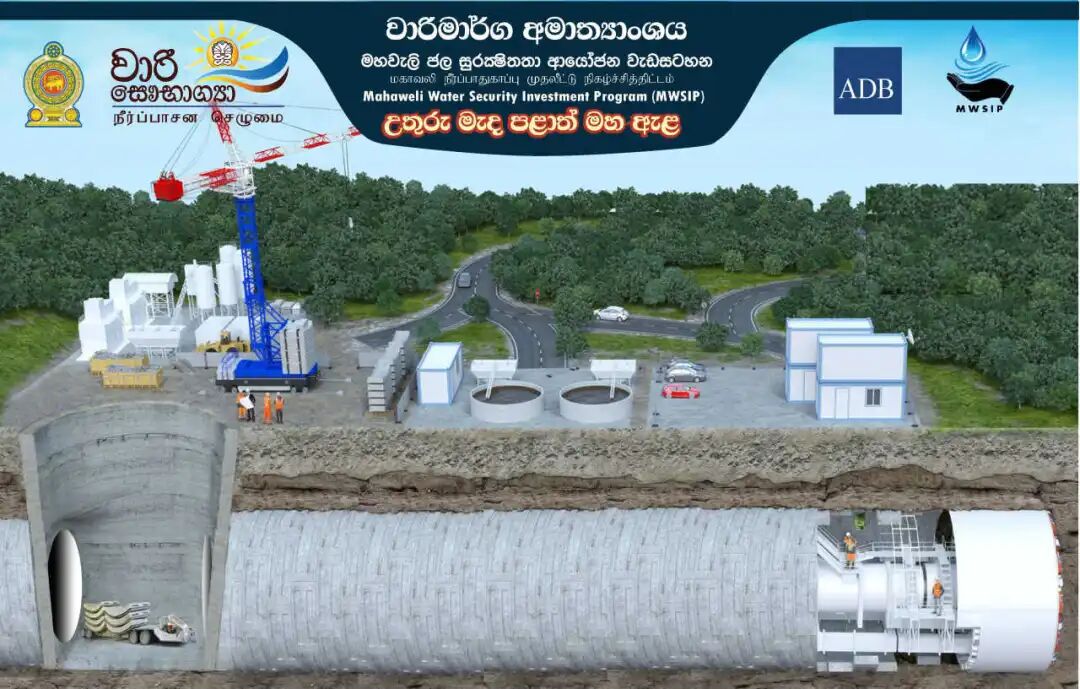
About 26.6 kilometers of the tunnel run through hard rock, and boring such a long, single-ended stretch posed the project's biggest challenge, along with maintaining equipment operation over such a long distance underground. The team redesigned its construction workflow, built equipment support systems and maintenance mechanisms for the entire process, and found ways to keep the TBM operating continuously over extended stretches. These efforts raised drilling efficiency to among the industry's best levels.
The tunnel also cuts through complex geological conditions and high-risk areas. The team managed to keep boring safe and efficient throughout, developing a reliable set of techniques for long-distance hard-rock TBM tunneling that CSCEC can now apply elsewhere.
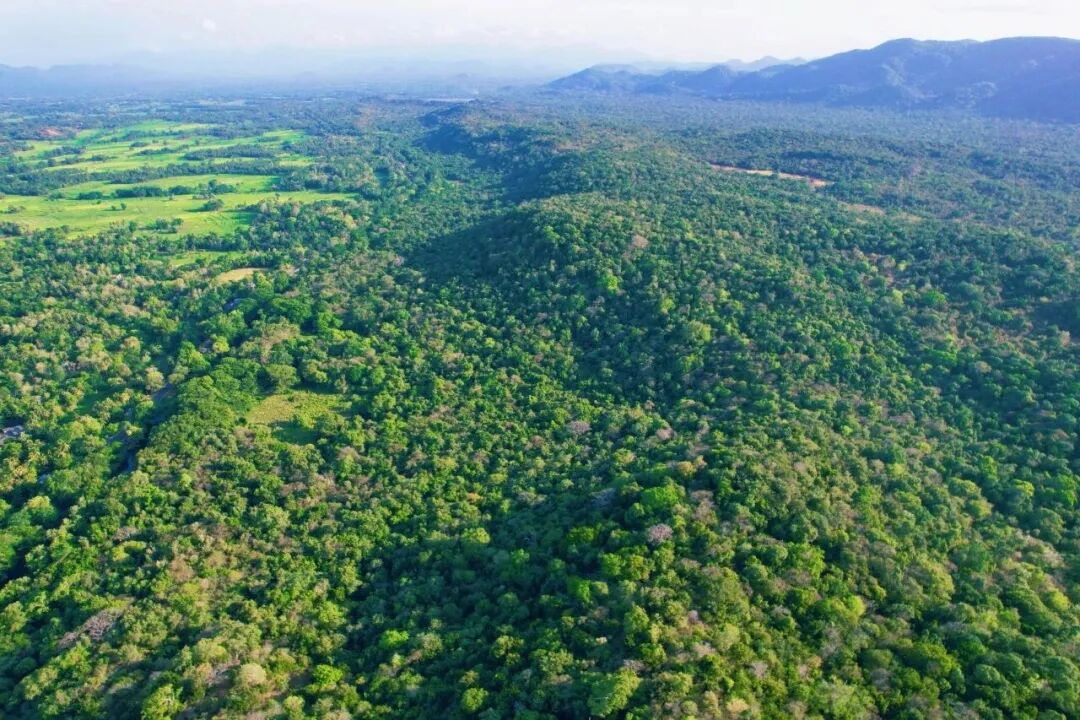
The project set a high bar for environmental protection, as the route passed beneath three nature reserves, including Hurulu Forest. The team treated wastewater through a six-stage settling and filter-press process and used TBMs powered by biodegradable hydraulic fluid to prevent water contamination at the source. Crews also carried out tree planting and other restoration work to strengthen biodiversity conservation while continuing to advance environmentally friendly construction.
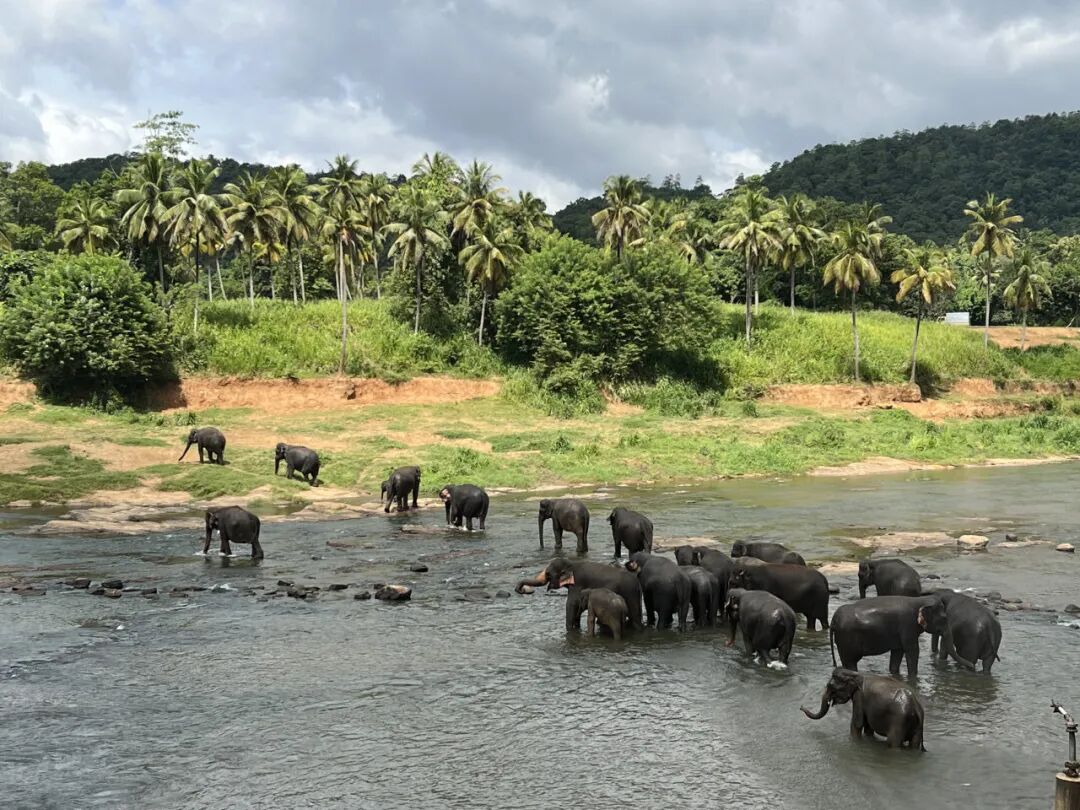
The project team also carried out infrastructure projects in nearby villages, including digging wells. In February, a drinking water system the team helped build went into service, giving rural residents within a 10-kilometer radius access to safe water in their homes.
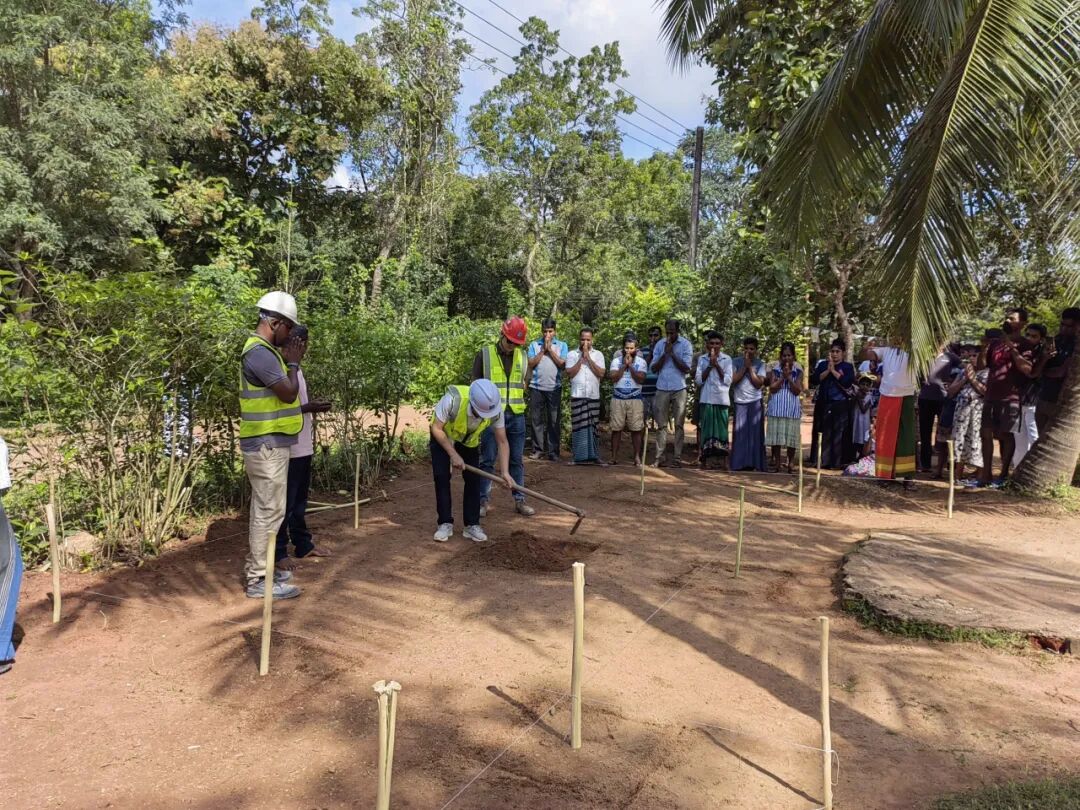
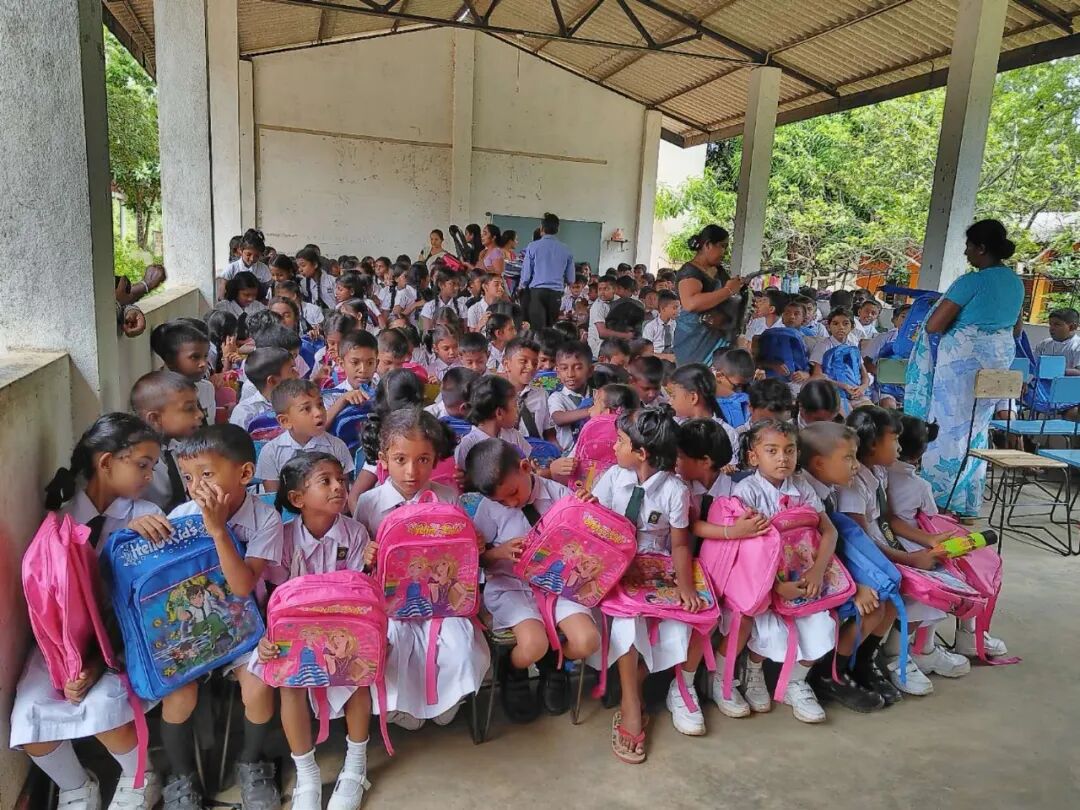
CSCEC's work on the tunnel has created more than 1,300 local jobs and organized over 20 public benefit activities that benefited more than 500 teachers, students and elderly residents. Through its Luban Craftsman Program, CSCEC has also run 96 training sessions for nearly 3,000 participants, helping train local talent to support sustainable development.


Site Map | Legal Statement | FAQ | Contact Us
©2017-2020 CSCEC ICP 05049820 CSCEC . LTD ICP 08010180



