Recently, the 2026 International Conference on Natural Resources and Planning concluded at University of Hong Kong, where organizers presented the International Award for Best Practices in Natural Resources and Planning (IABP Awards), the highest accolade in the field.
The Taoxichuan Ceramic Cultural Industrial Park in Jingdezhen, Jiangxi Province — planned under the leadership of Tsinghua University professor Zhang Jie, with CSCEC as a leading participant in its construction — won the Outstanding Award, the top prize of the IABP Awards.
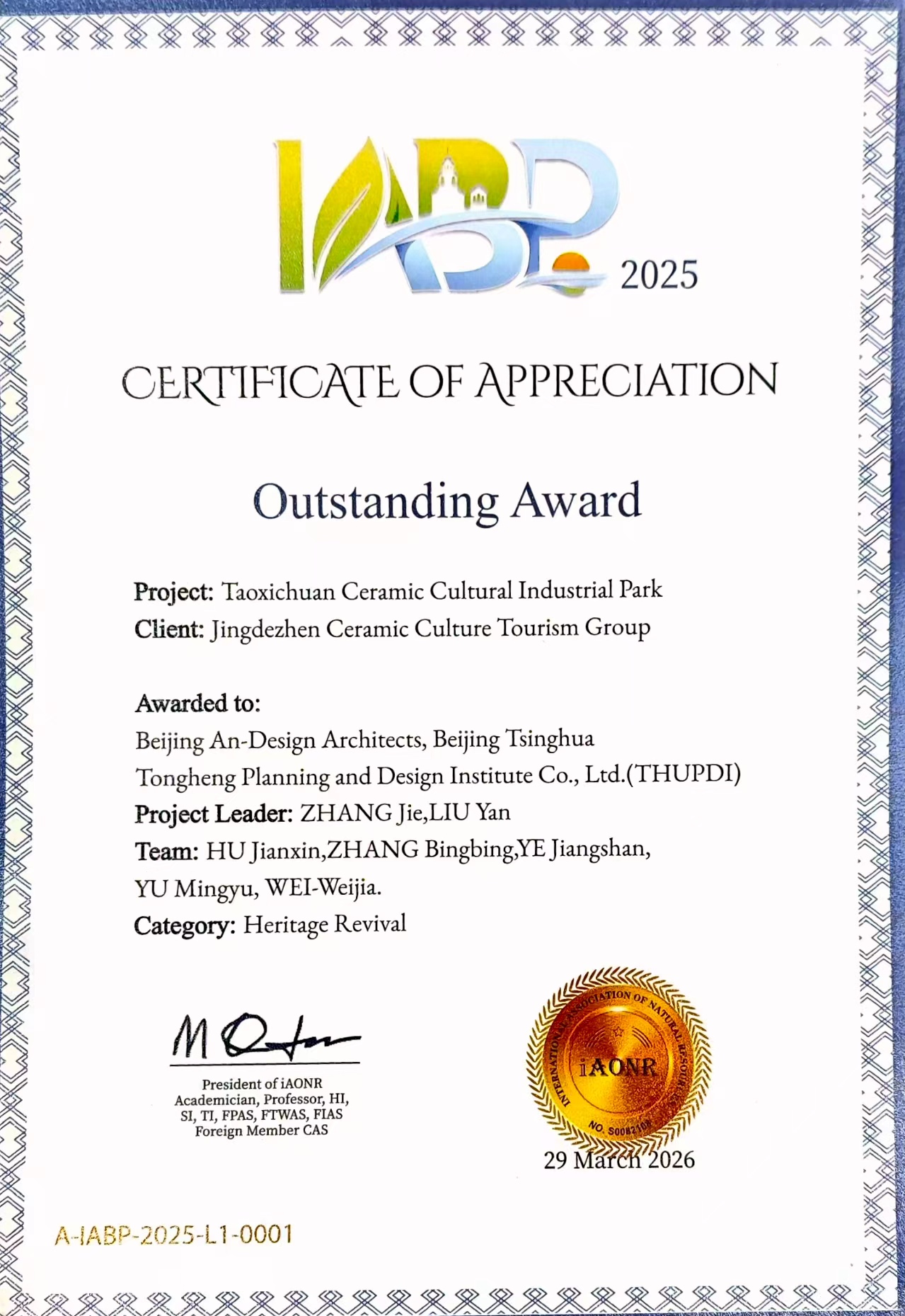
Established by the International Association of Natural Resources (iAONR) with its organizing office located at the YUANYE AWARDS Urban Design Center, the IABP Awards aim to recognize and promote excellent practical cases that have made outstanding contributions in areas including resource recycling, climate resilience construction, green and low-carbon transition, ecological environment improvement, and urban renewal and revitalization.
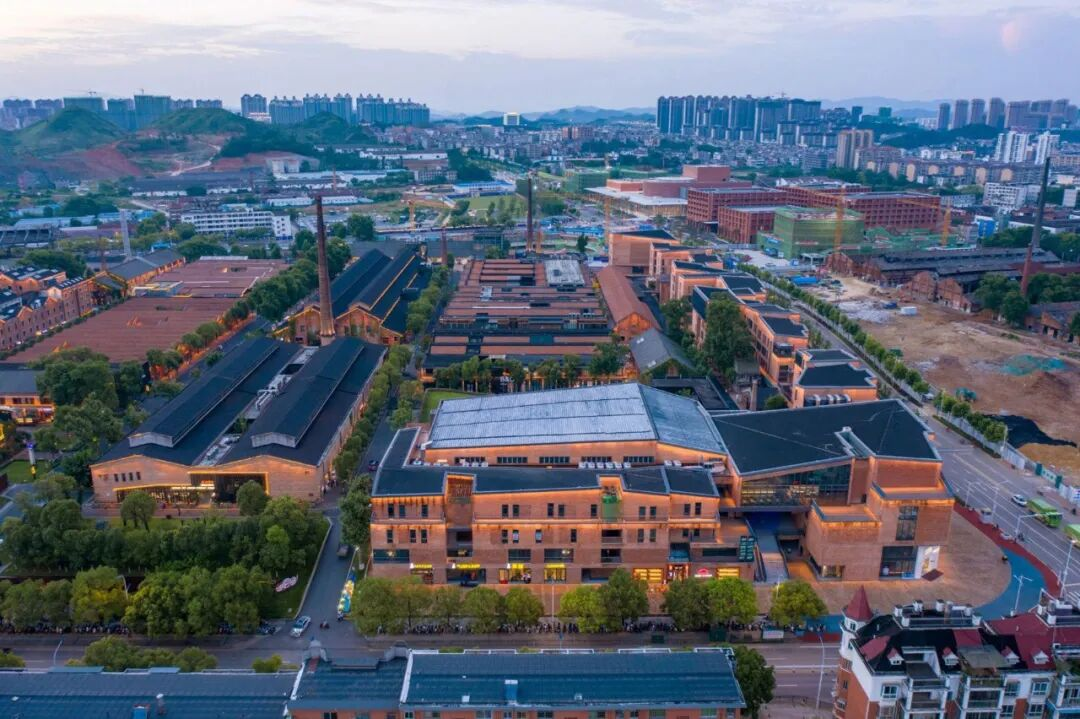
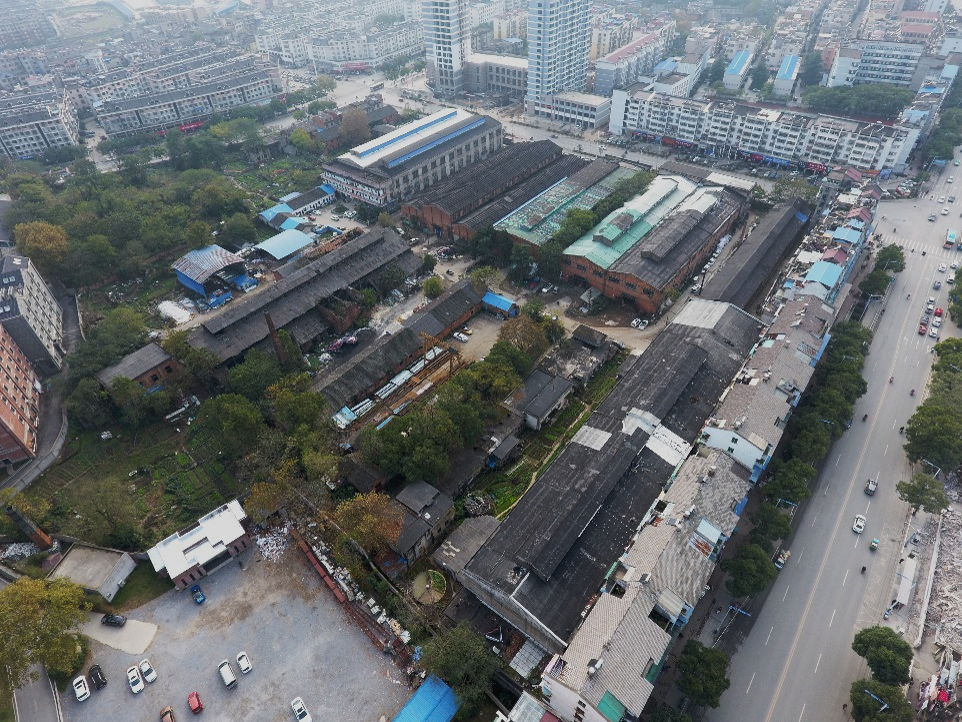
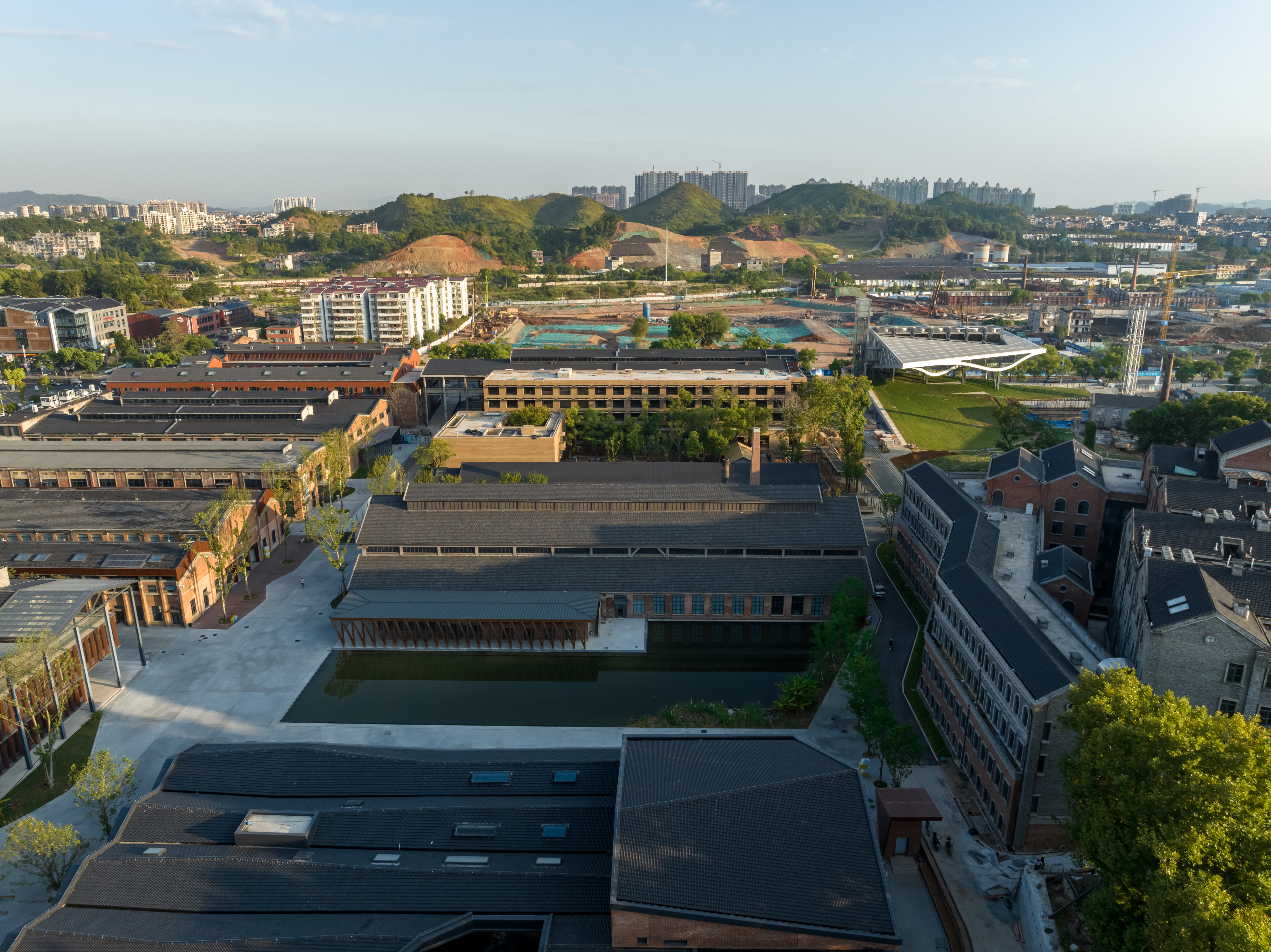
Before renovation (left), after renovation (right)
CSCEC worked alongside Zhang's design team to rebuild the old factory structures, carry out construction work, and carefully integrate new buildings with the area's existing architecture. The revamped site has given the industrial heritage location a second life, turning it into a cultural landmark that blends history with contemporary design.
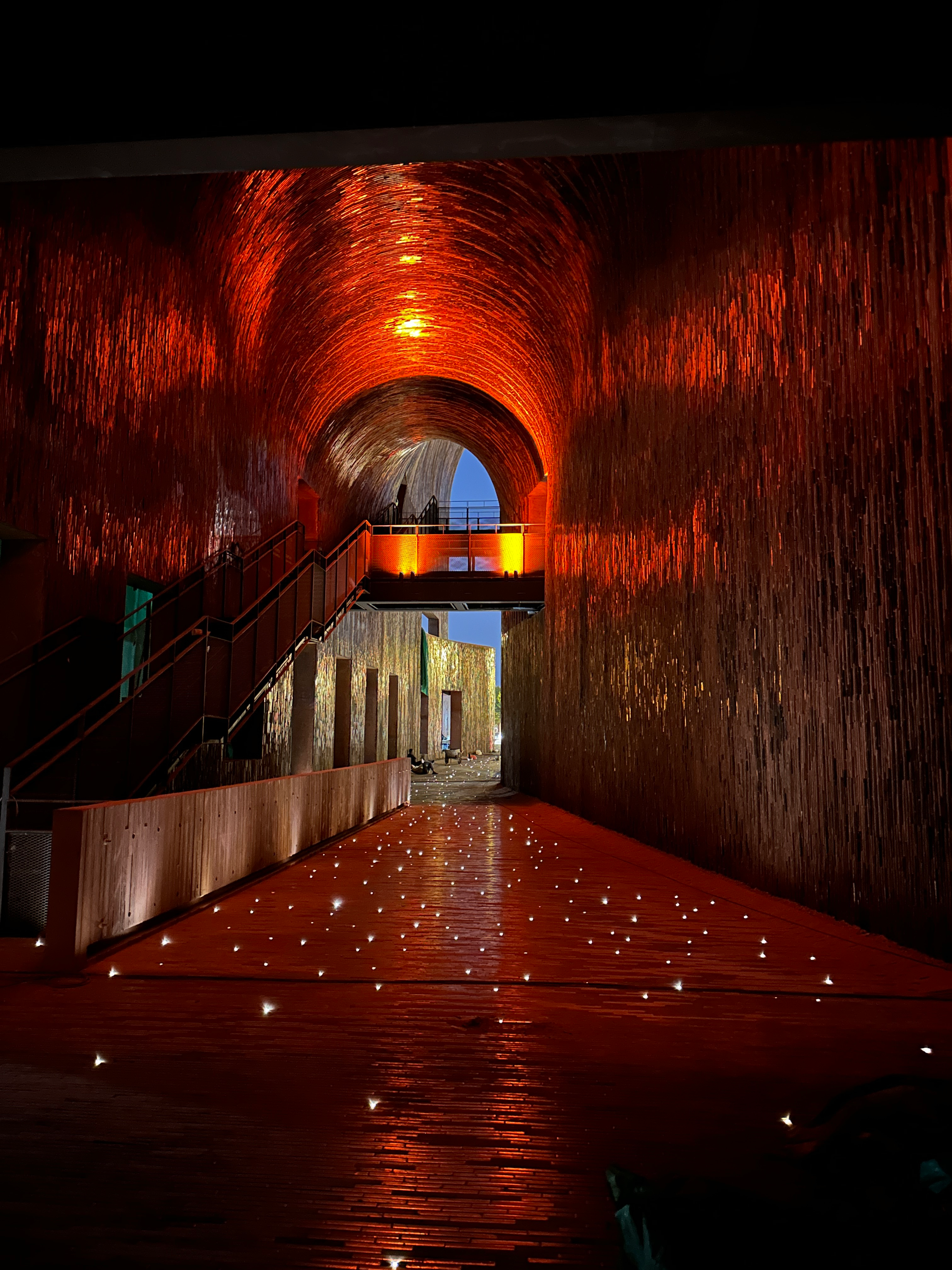
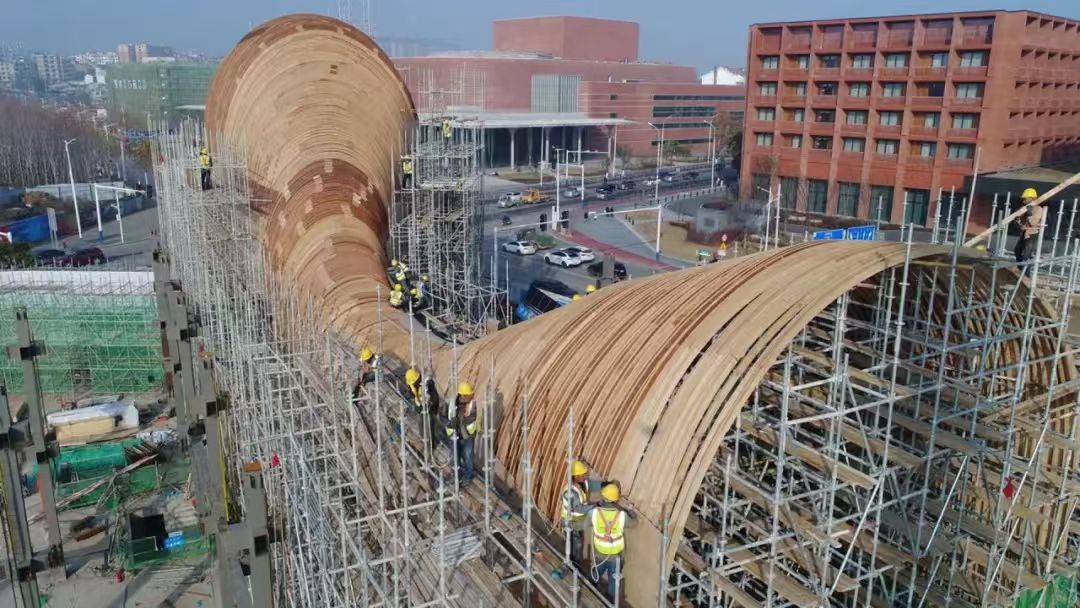
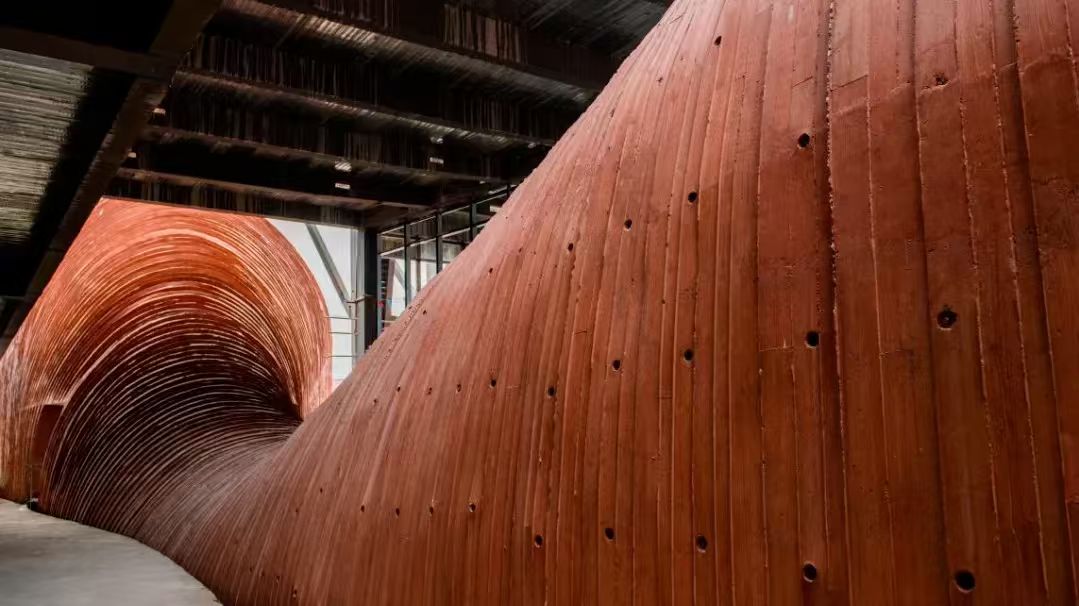
Complex spatial arched structure
CSCEC also collaborated with Cui Kai, an academician at the Chinese Academy of Engineering, on the Taoxi Mingzhu project, a mixed-use complex. The team used building information modeling (BIM) throughout construction, combining it with green building methods and smart site management. Workers restored historic structures, including the former Jingdezhen Universal Porcelain Factory, preserving its sawtooth-roofed factory buildings while adding modern spaces such as Taoxi Mingzhu and Tao Apartment.
To tackle the construction challenges posed by numerous complex, irregularly curved surfaces and long-span arched structures, the project applied BIM and digital modeling technologies to develop an efficient, safe, green, and low-carbon system for renovating irregularly-shaped historic buildings. The project won several honors, including an Autodesk BIM award, demonstrating how digital technologies can help revitalize industrial heritage.
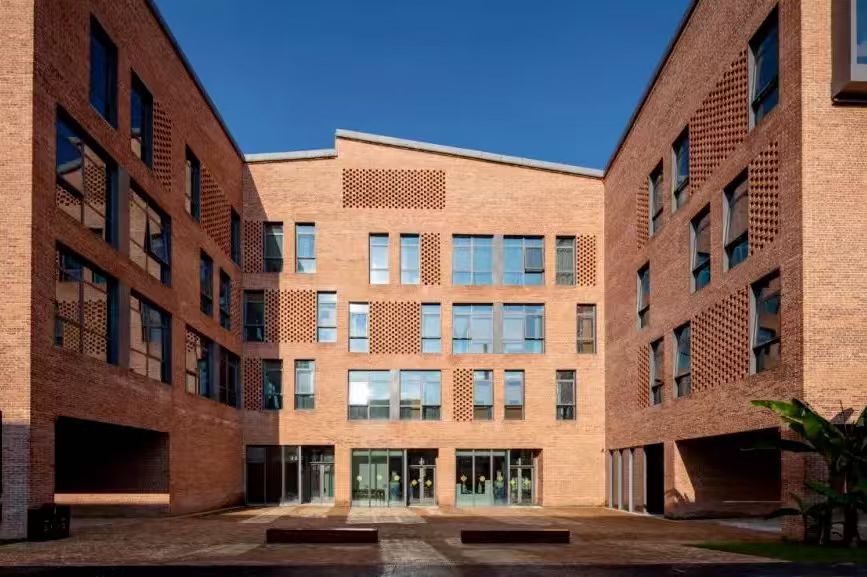
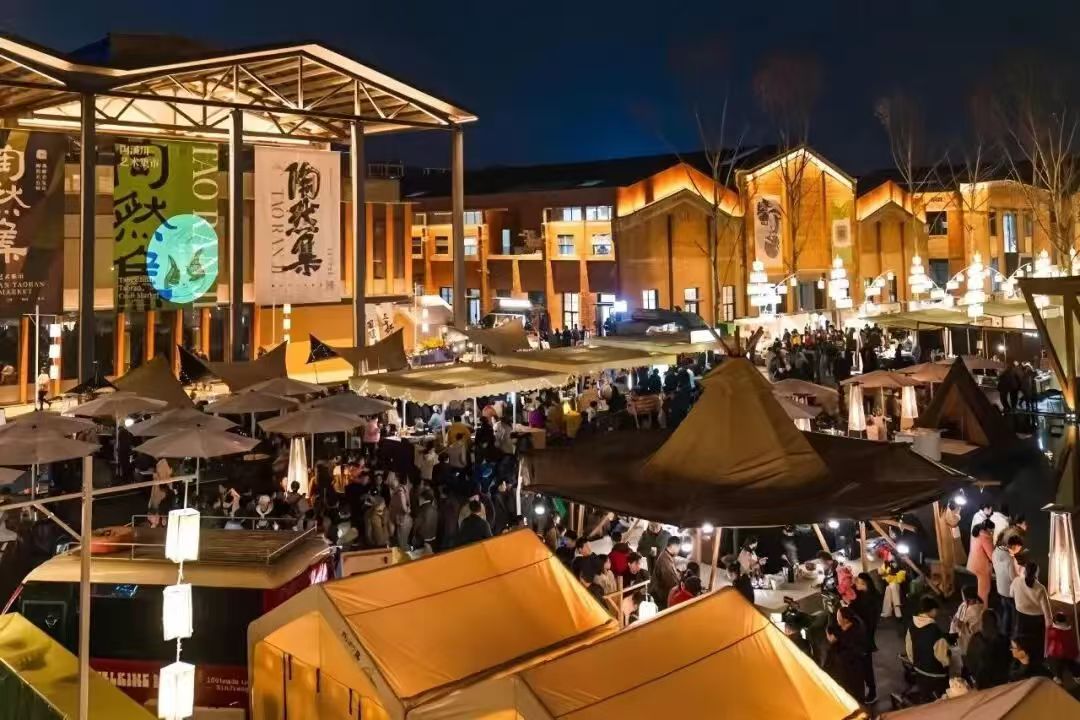
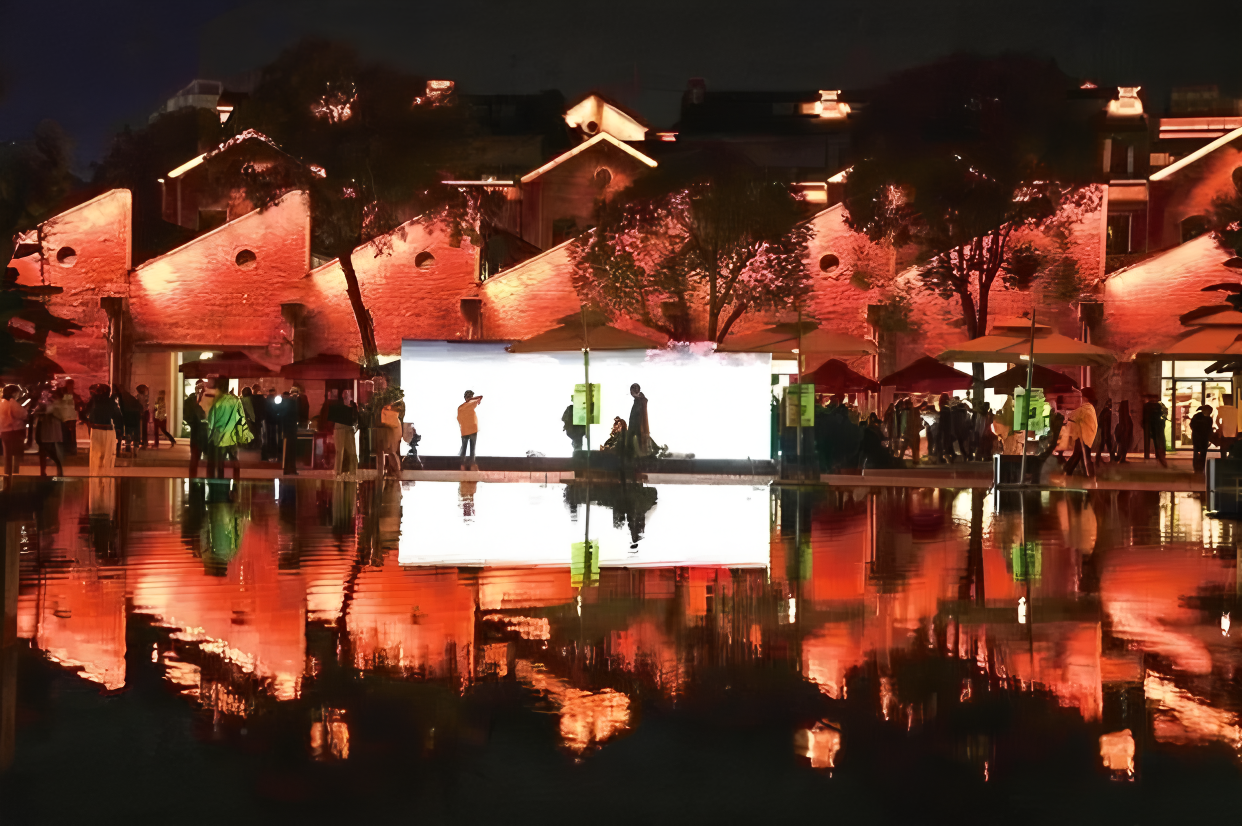
Taoran Craft Market
The old factory space has since reopened as a creative community for ceramic artists from around the world. The nearby Tao Apartment caters to a growing community of young people who have moved to the city to pursue their dreams. Together, the old and new spaces have created a mixed-use cultural district that has helped more than 20,000 young people find work or start businesses there.


Site Map | Legal Statement | FAQ | Contact Us
©2017-2020 CSCEC ICP 05049820 CSCEC . LTD ICP 08010180



