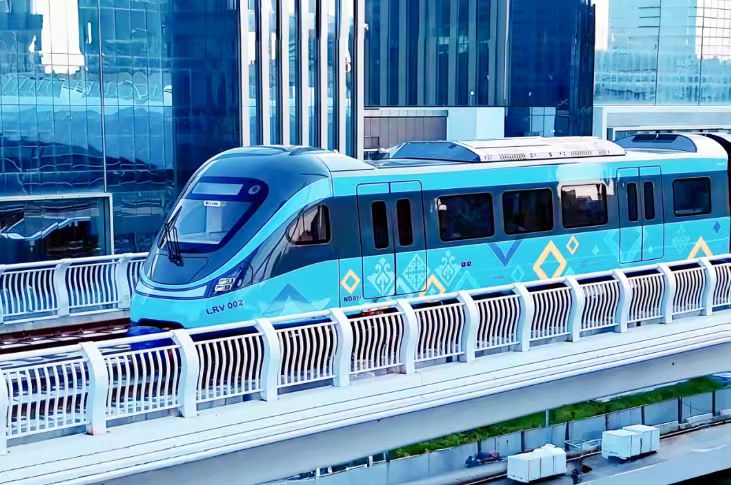
Recently, the first phase of the Astana Light Rail project in Kazakhstan's capital Astana began operation, marking the launch of Central Asia's first urban light rail system, with CSCEC serving as the project's main contractor.
The project is also the region's first fully automated driverless smart rail transit line, and the first city light rail built entirely with Chinese technology, Chinese standards and Chinese equipment.
Kazakh President Kassym-Jomart Tokayev attended the inauguration ceremony.
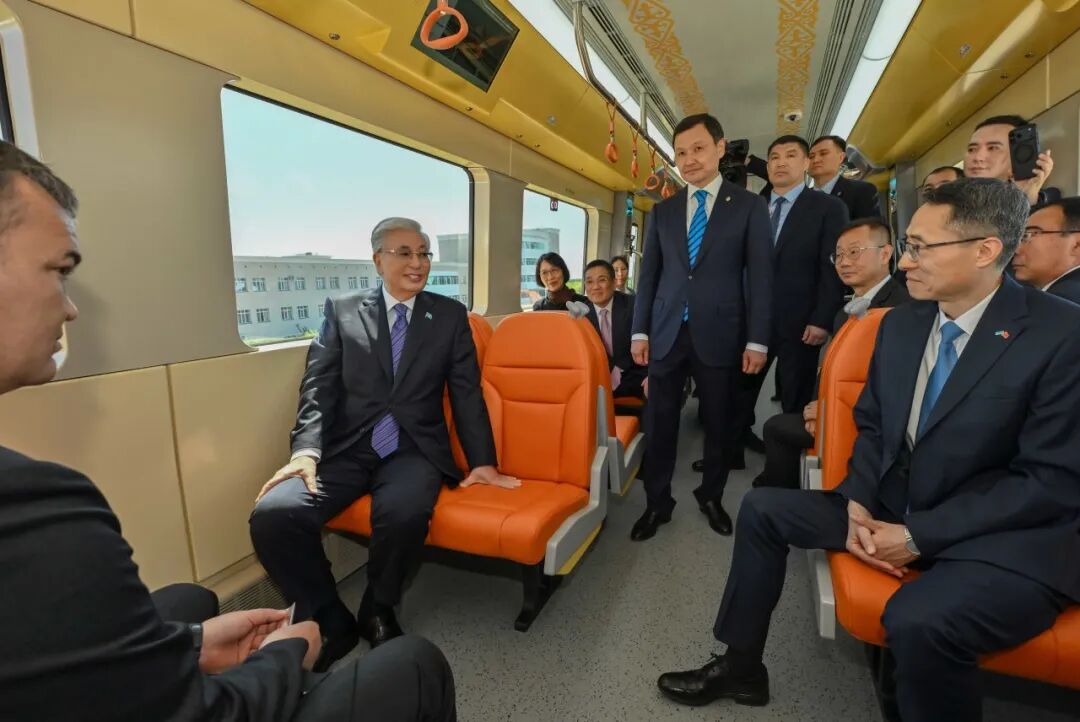
At the ceremony, Tokayev activated the light rail system and visited the Unified Dispatch Center, which oversees and regulates public transportation in Astana. He expressed gratitude in Mandarin to Chinese workers for their contributions to the project.
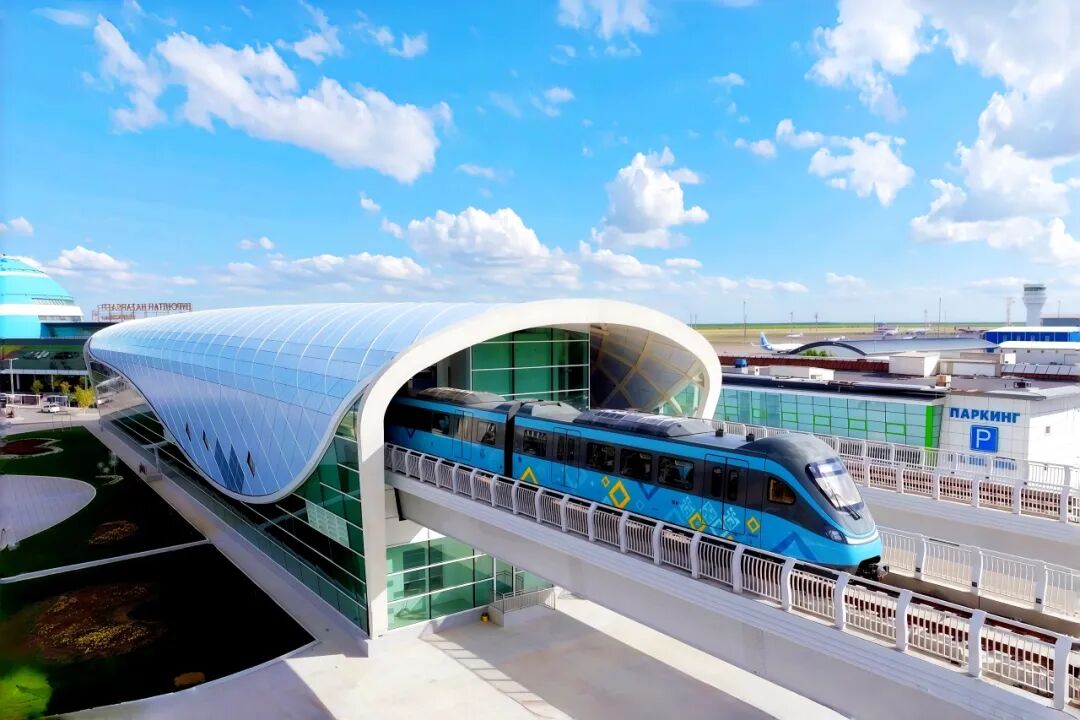
The light rail system currently operates 19 fully automated driverless trains, each capable of carrying more than 600 passengers at full capacity. The trains have a top speed of approximately 80 kilometers per hour.
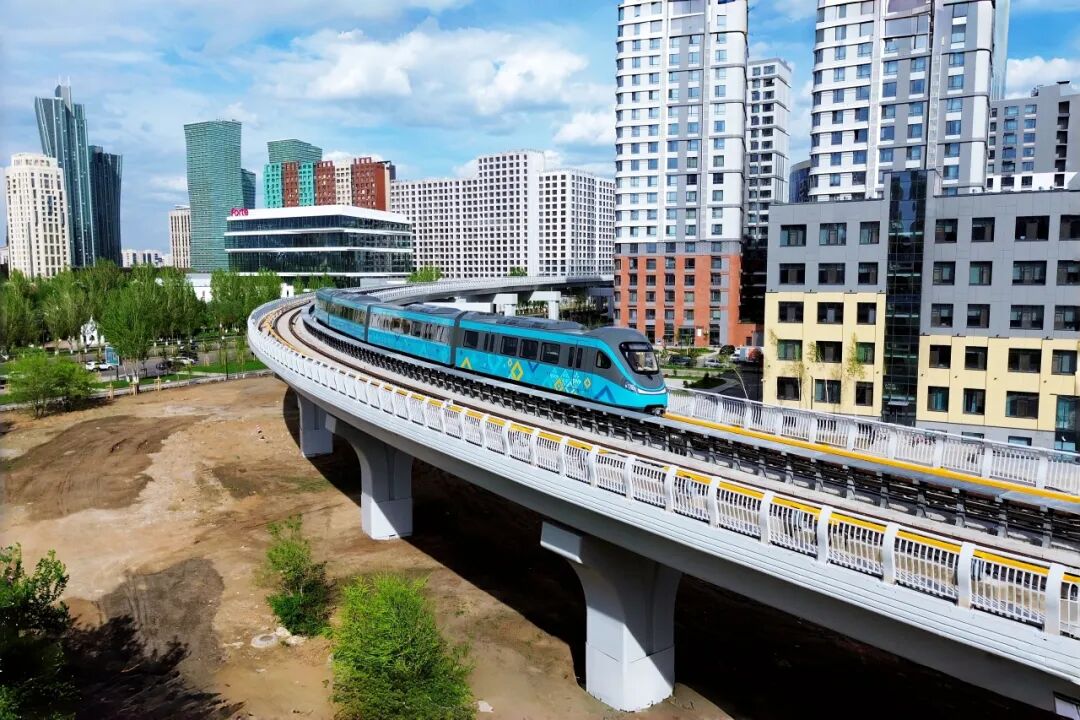
The first phase of the Astana Light Rail project extends about 22.4 kilometers. CSCEC was responsible for constructing 18.34 kilometers of the line, including 14 stations, 15 sections, and one depot. The route links major landmarks and key functional zones in the city.
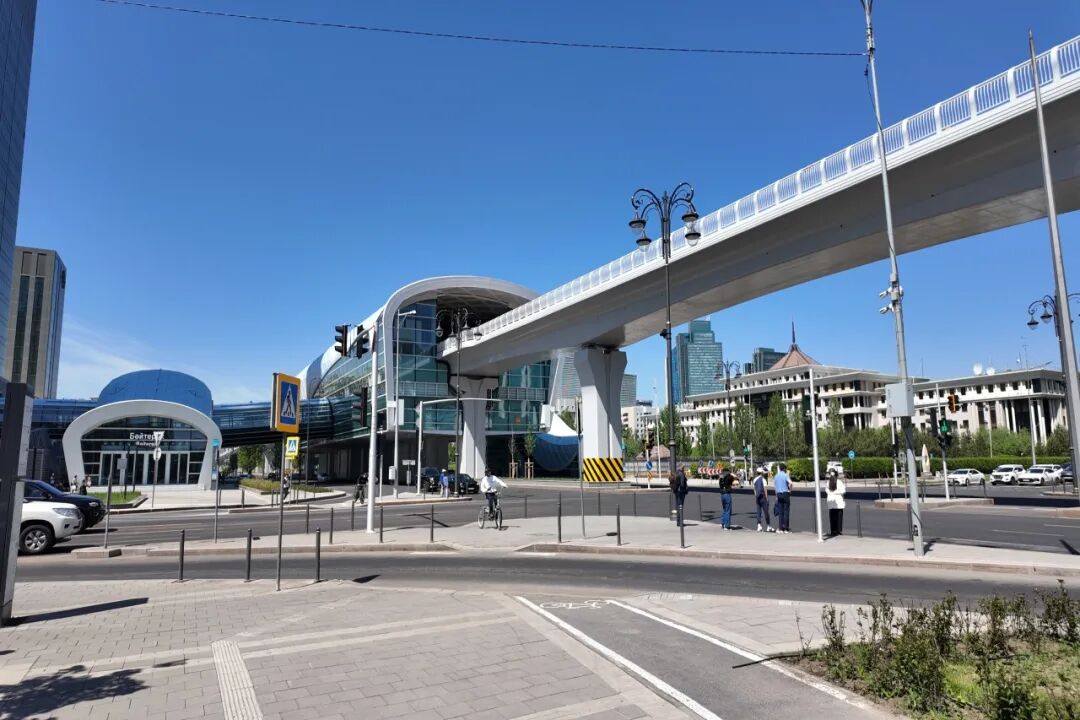
The project adopts Chinese standards across the board — from design specifications and construction methods to equipment selection and acceptance criteria. It integrates key technologies, including fully automated operation, contact-rail power supply, and adaptation to extreme cold environments.
During construction, the project team employed Building Information Modeling, intelligent welding robots, and prefabricated construction methods to improve efficiency and quality. These practices provide a valuable reference for urban rail transit projects in cold-climate regions around the world.
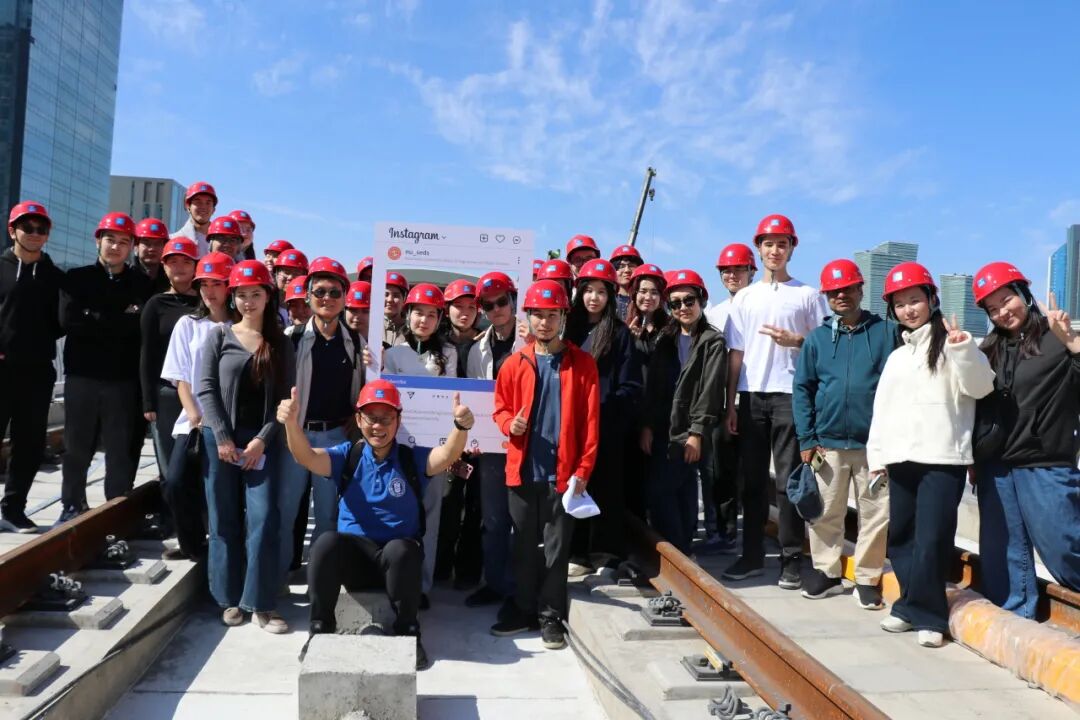
During construction, the project team fulfilled its social responsibilities by hiring local workers, creating more than 2,000 jobs in Kazakhstan.


Site Map | Legal Statement | FAQ | Contact Us
©2017-2020 CSCEC ICP 05049820 CSCEC . LTD ICP 08010180



