During the Spring Festival holiday, the Xijiang cultural industry development project in Xinyi, Guangdong Province—built by CSCEC and centered on the former residence of Lin Liru—was officially opened to the public. The project aims to create a new model for rural revitalization integrating culture, education, agriculture and tourism.
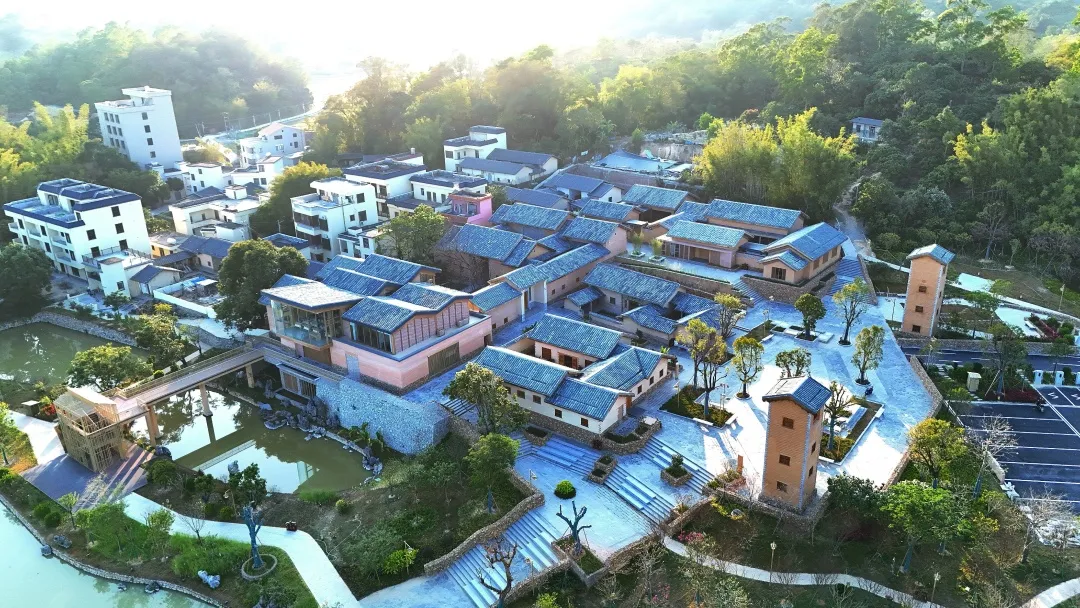
Lin Liru was a pioneering figure in modern Chinese education and a strong advocate of the holistic education philosophy. The century-old residence, nestled among the mountains and rivers of western Guangdong, was where he spent his childhood.
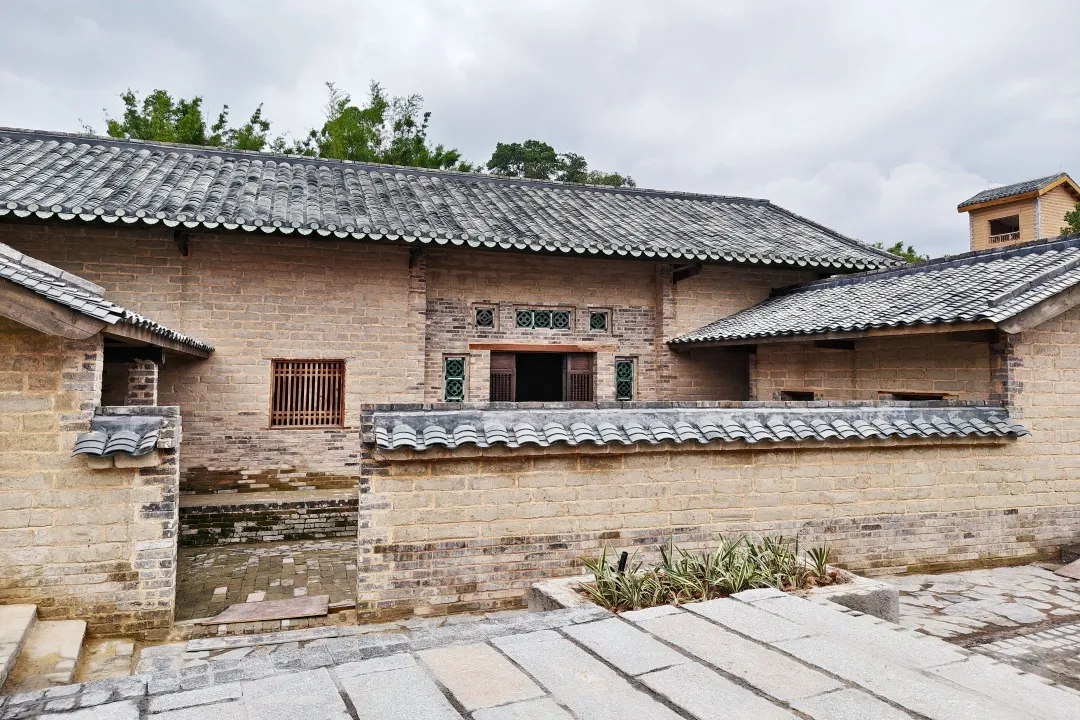
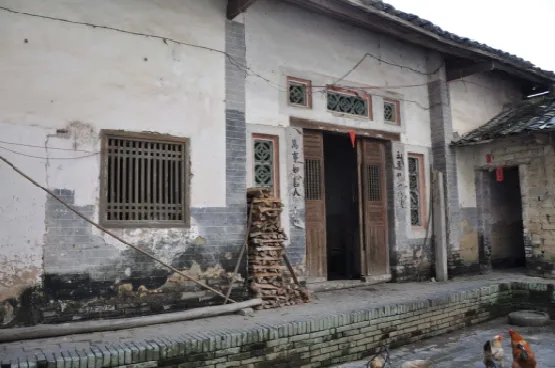
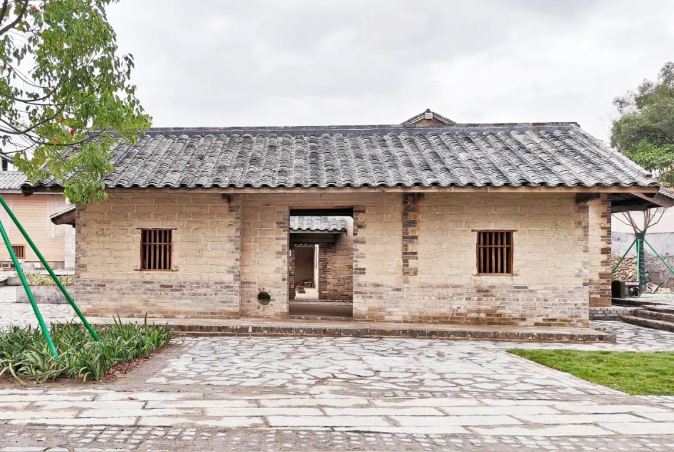
Lin Liru's former residence
The project includes the restoration of Lin Liru's former residence, the Liru education and cultural history museum, road and landscape construction, and the renovation of surrounding residential buildings. Together, these components form a comprehensive cultural complex integrating heritage conservation, historical exhibition and educational study programs.
The project team followed the principle of "restoring the old as it was," bringing new life to the historic residence. Wall restoration adhered to a "minimum intervention" approach, using traditional materials and techniques while preserving the building's historical textures. Timber used in the project was carefully selected from fir trees over 30 years old, air-dried for a year before processing into structural components. After more than ten detailed procedures, the new and original woodwork blends seamlessly. Innovative roof restoration both preserves the distinctive charm of Lingnan architecture and strengthens moisture resistance and durability.
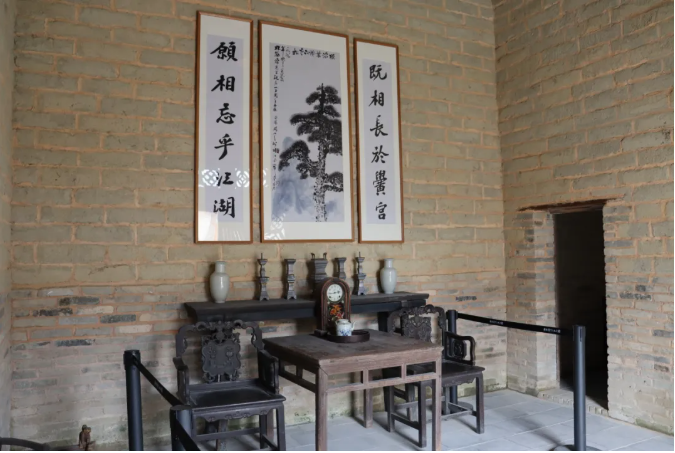
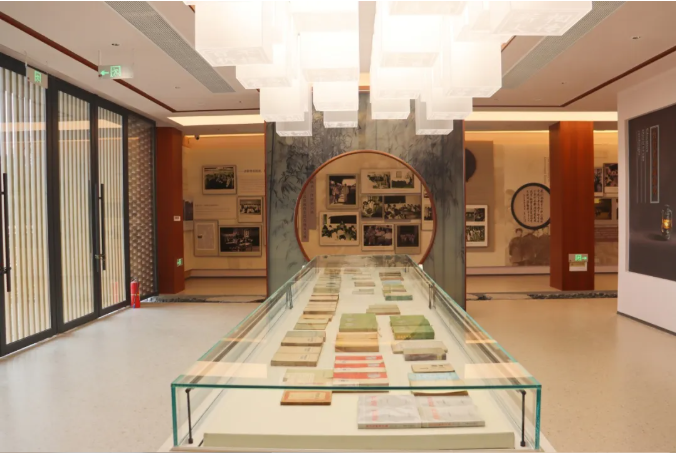
The museum features a distinctive design that juxtaposes a "traditional architecture zone" with a "modern architecture zone," creating an educational and cultural corridor that connects the past with the future and reflects the evolution of China's education system.
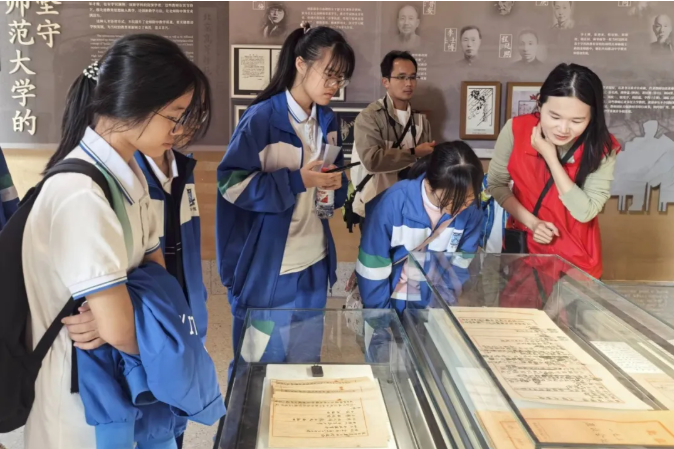
To carry forward the philosophy of holistic education, the project also established an AI-powered study and research base. The curriculum incorporates technologies such as AI storybooks, HarmonyOS development and VR experiences, enabling students to learn and inherit cultural knowledge through hands-on activities.
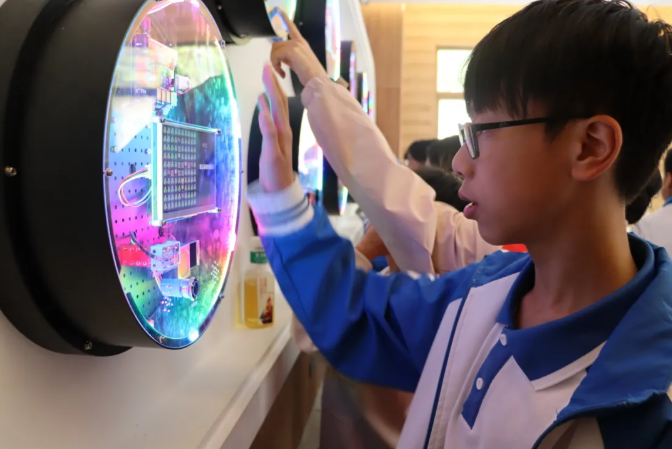
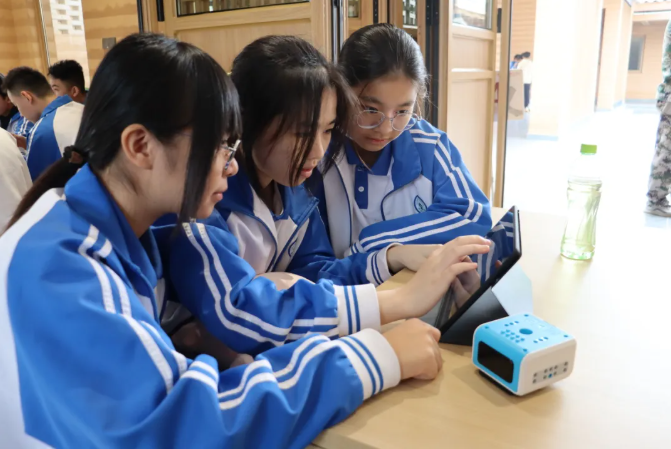
Since trial operations began, the base has hosted multiple themed study programs for primary and secondary school students, receiving more than 10,000 participants.


Site Map | Legal Statement | FAQ | Contact Us
©2017-2020 CSCEC ICP 05049820 CSCEC . LTD ICP 08010180



