On July 25, the United Nations Educational, Scientific and Cultural Organization (UNESCO) added China's Jingdezhen Handicraft Porcelain Industry Sites to the World Heritage List at the 48th session of the UNESCO World Heritage Committee held in Busan, South Korea.
Porcelain is a Chinese treasure and an important symbol of Chinese culture. Jingdezhen in Jiangxi Province, with more than 2,000 years of ceramic-making history, stands as one of the finest examples of this tradition. Its addition to the World Heritage List fills a thematic gap for "porcelain" in the registry and demonstrates China's efforts to find new ways to preserve and promote its fine traditional culture.
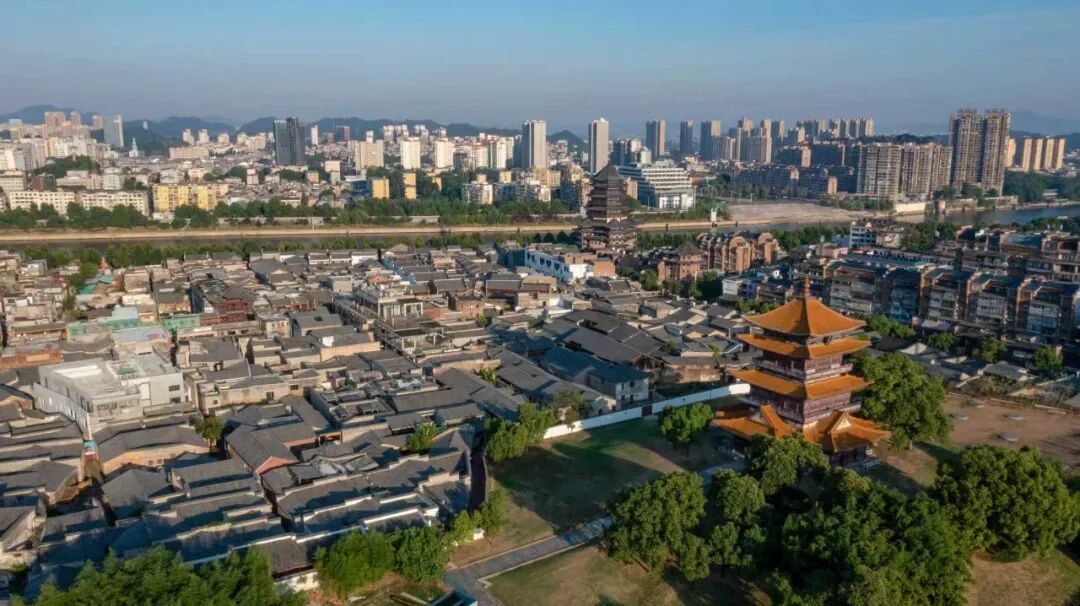
Aerial view of a site within the Jingdezhen Handicraft Porcelain Industry Sites
For a decade, CSCEC has worked to conserve and revitalize Jingdezhen's historic and cultural blocks, applying modern construction technologies to help preserve its porcelain tradition and introduce the "porcelain capital" to the world.
CSCEC has undertaken major heritage conservation and urban renewal projects across the city, including the Jingdezhen Imperial Kiln Museum, the Taoyangli Historical and Cultural Block, and the redevelopment of old porcelain factories in the city's urban area. It has also undertaken projects in key areas included in the UNESCO nomination, such as Pengjia Alley, Guolu Kiln Area, and Xiangji Lower Alley Area. In total, the company has restored more than 200 historic buildings, built or renovated 500 individual structures, and upgraded nearly 5,000 meters of municipal pipeline networks.
The team followed an approach that maintained the original appearance of historic buildings, making only minimal interventions to preserve their authenticity and integrity. At the same time, the team introduced modern technologies such as building information modeling (BIM), 3D scanning, and carbon-fiber reinforcement. These techniques added insulation, earthquake resistance, fire protection, and moisture resistance without changing the buildings' original appearance — improving both safety and structural stability while also creating a reusable set of technical standards for historic building restoration.
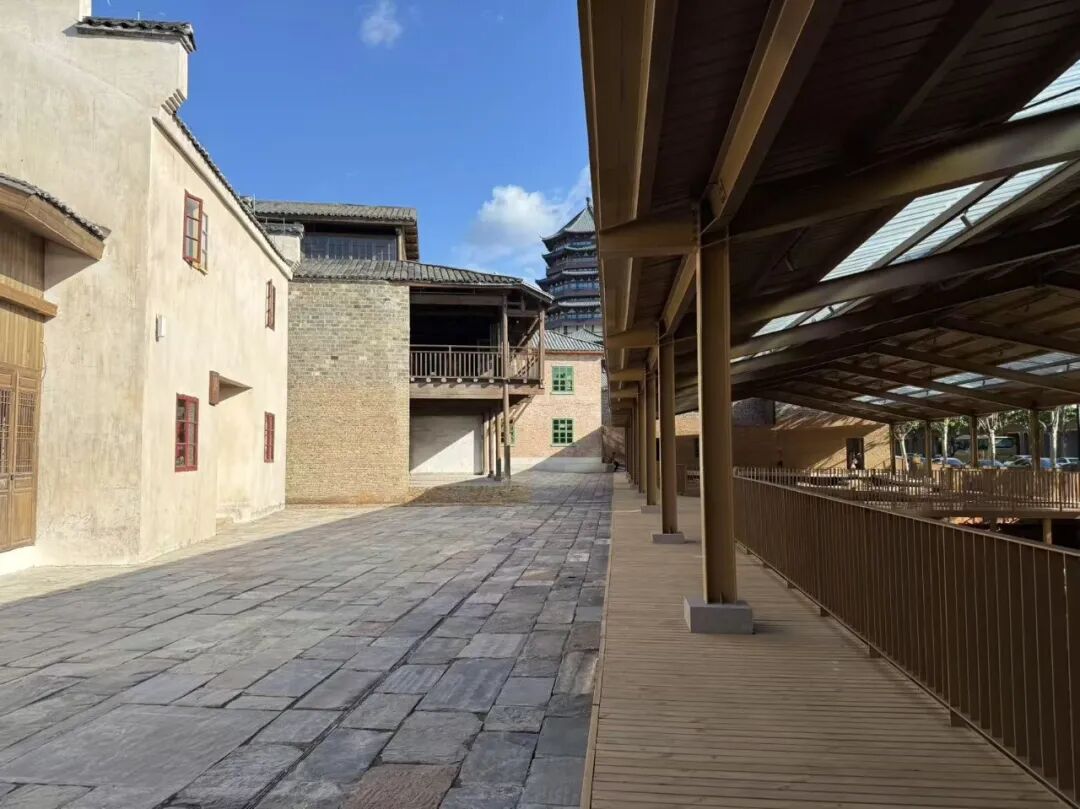
Ruins of the Zhu's Family Alley
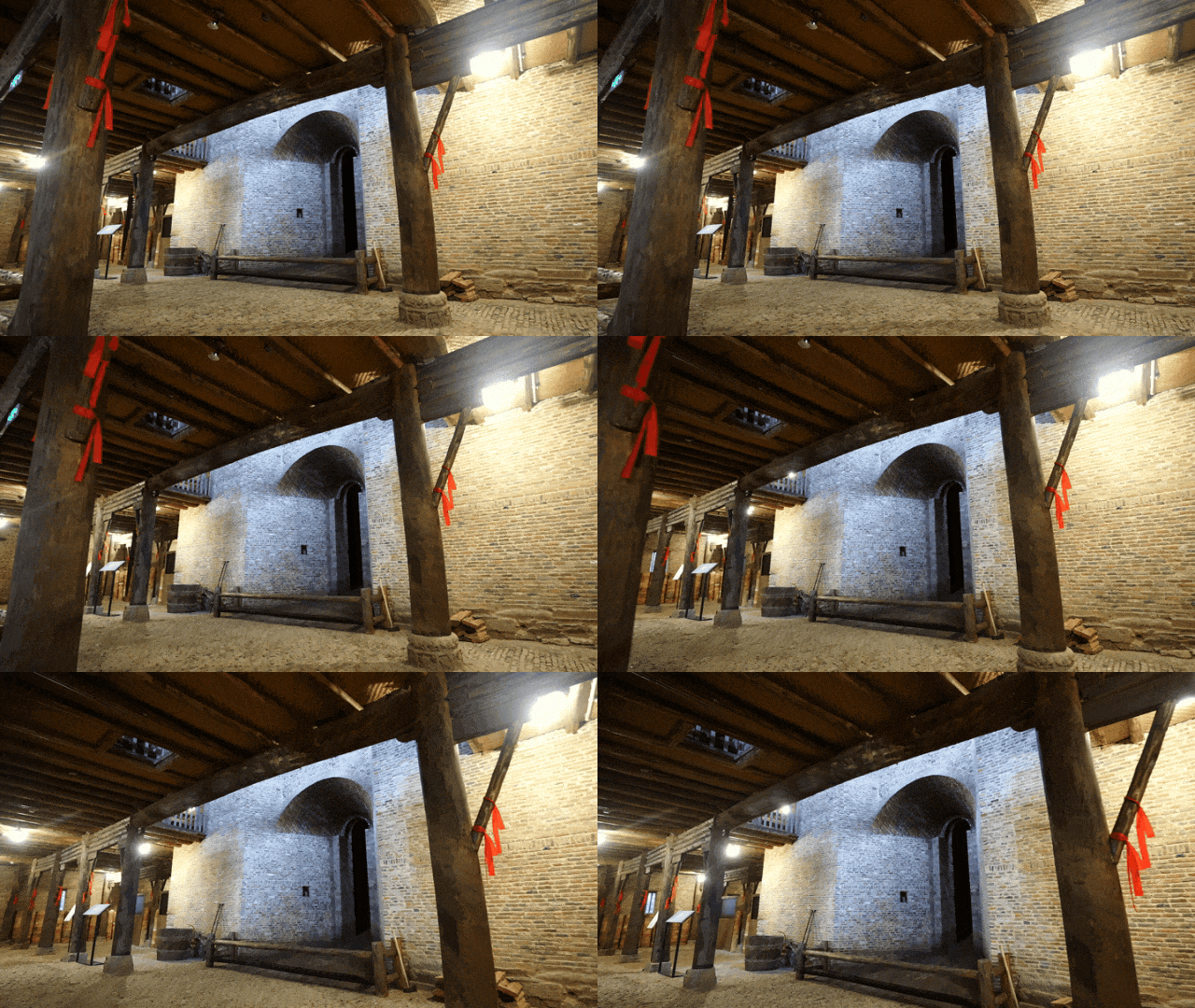
Renovated Sihe Kiln and Guolu Kiln
The ultimate goal of heritage conservation is to bring history into daily life. Throughout its work, CSCEC has balanced preservation with development, pursuing heritage conservation alongside urban renewal, improved living standards, and cultural tourism.
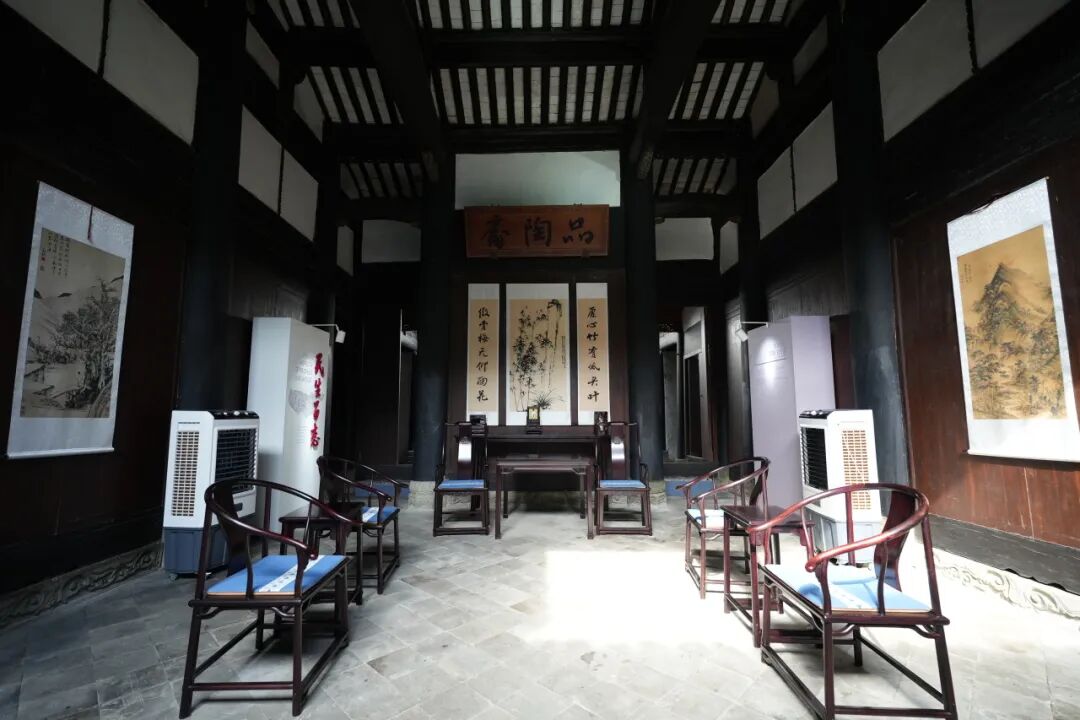
Renovated residential homes in Xiangji Alley

The Taoran Craft Market
"The houses are renovated now, the roads are flat, the lights work — even foreign tourists come here to take photos," said an elderly resident who has lived in Pengjia Alley for more than 50 years. Today, more and more young people are choosing to return to the old urban area to start businesses and build careers.


Site Map | Legal Statement | FAQ | Contact Us
©2017-2020 CSCEC ICP 05049820 CSCEC . LTD ICP 08010180



